Commercial Moves in Streatham
Reliable Office and Business Relocations for Streatham Companies

Commercial moves in Streatham require more than just a van and a few boxes. When a business is relocating, expanding, downsizing, or reorganising its workspace, the move needs to be handled with planning, care, and a clear understanding of how local streets, building access, and commercial schedules work in the area. Streatham is a busy part of South London, with a wide mix of offices, retail units, shared workspaces, clinics, studios, cafés, and other commercial premises. That variety means no two business moves are exactly alike.
If you are preparing for a business relocation in Streatham, you may already be thinking about how to keep disruption low, how to move equipment safely, and how to make sure staff can get back to work quickly. A well-organised commercial removals service is designed to do exactly that. From carefully packing documents and IT equipment to planning access around busy roads, the right team can make the process far easier.
Local companies often look for a move that is both efficient and flexible. That is especially important in Streatham, where commercial properties may sit on main roads, in converted buildings, above shopfronts, or on narrow residential streets with limited parking. A practical move plan takes those local conditions into account from the start, helping you avoid delays and unnecessary stress.
Why Local Knowledge Matters for Streatham Business Moves

Choosing a local team for commercial removals in Streatham can make a noticeable difference to the overall experience. Local knowledge helps with route planning, timing, building access, and understanding the pressure points that are common in South London. Busy roads, controlled parking zones, school-run traffic, and loading restrictions can all affect the smoothness of a relocation.
Streatham has a mix of property types that can create different moving challenges. Some businesses operate from modern offices or high-street premises, while others work from upper floors, shared spaces, or older buildings with tighter stairwells and limited lift access. A team that understands these conditions can prepare the right equipment and staffing levels before moving day.
For many businesses, time is the biggest concern. Every hour spent moving is an hour not spent serving customers, handling enquiries, or completing work. That is why commercial move planning should focus on reducing downtime. A local removals crew can often work around your preferred hours, coordinate with building managers, and help keep the move aligned with your trading needs.
Types of Commercial Moves We Commonly Support
Businesses in Streatham vary widely, so commercial move services need to be adaptable. Some customers need a full office relocation, while others only require help moving selected equipment, furniture, or stock. In many cases, the best approach is tailored to the size of the business and the urgency of the move.
Typical commercial removals include:
- Office relocations for small and medium-sized businesses
- Shop and retail unit moves
- Studio and creative workspace relocations
- Clinic, practice, and professional service moves
- Warehouse or stock room transfers
- Shared office and co-working space moves
- Internal moves within the same building
- Furniture-only and equipment-only removals
Whether you are moving a handful of desks or an entire commercial operation, the process should be structured around careful handling, efficient transport, and minimal interruption. The aim is not simply to move items from one place to another, but to help the business stay organised throughout the change.
What Is Included in a Commercial Move

Customers often want to know what a commercial move actually includes. The answer can vary depending on the size and complexity of the relocation, but a strong service typically covers a combination of planning, packing, lifting, transport, and placement at the destination. In practice, this means fewer unknowns and a more controlled move day.
Common inclusions may involve pre-move planning, dismantling office furniture where needed, protecting fragile items, loading and unloading, and positioning items in the new premises. Businesses often also need help with specialist items such as printers, filing systems, IT equipment, archive boxes, stock, display units, or reception furniture.
Where required, a local move team can also help with internal logistics, such as shifting items between floors, reorganising a workspace, or moving furniture into storage before the next phase of a project. If your business is operating from a temporary location or staging a phased relocation, a flexible approach is especially useful.
Planning Around Streatham’s Roads, Parking, and Building Access
One of the biggest practical issues in Streatham commercial moves is access. Depending on the building, there may be limited parking, narrow loading areas, stairs, shared entrances, or time restrictions that affect when a vehicle can stop. On busier roads, these factors can make loading and unloading more complex than expected.
That is why a good move plan should include a review of the premises at both ends of the relocation. It helps to consider where the vehicle can stop, how far items need to be carried, whether lifts are available, and whether any permissions are required from landlords or building managers. Preparation reduces delays and supports safer handling.
Businesses near central Streatham, Streatham Hill, Streatham Common, Norbury borders, Tulse Hill, or towards Brixton and Balham may face different road layouts and traffic patterns. A local removals team can factor in those area-specific details so the move can be timed and structured sensibly.
How Our Commercial Moving Process Works
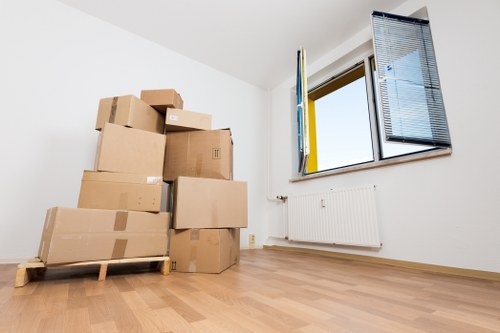
A well-run commercial relocation should follow a clear process. This helps your team know what to expect and ensures the move stays on track. Although every project is different, a typical commercial move usually moves through several stages.
First comes the initial discussion. This is where you explain what needs to be moved, your preferred timetable, the building type, and any concerns about fragile items, access, or business continuity. From there, the move can be planned around the realities of your premises and operations. The more detail you provide early on, the smoother the move is likely to be.
Next, the team can assess logistics such as packing requirements, dismantling furniture, protecting surfaces, and arranging vehicle access. On the day, the removals crew should arrive prepared with the right equipment and a clear loading order. At the destination, items are placed according to the agreed plan so your business can settle in quickly.
Step-by-Step View of a Typical Move Day
Many customers find it reassuring to know how move day usually unfolds. While no two projects are identical, the following outline gives a useful idea of the flow:
- Arrive at the premises and confirm the move plan
- Protect floors, corners, or other surfaces where needed
- Load boxes, furniture, and equipment in a logical order
- Secure fragile or sensitive items for transport
- Move items safely to the new location or storage point
- Unload and place items in the agreed areas
- Reassemble furniture where part of the service has been arranged
- Check that the key items are where they need to be for reopening or setup
This kind of structure is especially useful for businesses that need to reopen quickly, continue trading with limited interruption, or complete the move in phases. If you are arranging business relocation in Streatham, having a clear sequence can make the process feel much more manageable.
Preparation Checklist for Commercial Customers

Good preparation can make a major difference to the success of the move. It helps your staff stay organised, reduces confusion on the day, and makes it easier for the removals team to work efficiently. A simple checklist is often the best place to start.
Useful preparation steps include:
- Confirm the move date and any building access requirements
- Notify staff of packing responsibilities and deadlines
- Label boxes clearly by department, room, or priority level
- Back up digital files and secure sensitive data
- Disconnect equipment safely and label cables where appropriate
- Set aside essentials for first-day use at the new site
- Remove personal items and secure confidential paperwork
- Check lift availability, parking permissions, and loading details
It is also wise to nominate someone within the business to act as the main point of contact on moving day. That person can answer questions, confirm placements, and help keep things moving without delay. Clear responsibility often prevents small issues becoming larger ones.
Specialist Considerations for Offices, Retail, and Workspaces
Office Moves
Office relocations usually involve a mix of desks, chairs, storage units, computers, filing systems, and small equipment. Careful organisation is essential, particularly if staff need to resume work quickly. A commercial removals team can help separate essential items from lower-priority items, making the setup at the new premises easier.
For many offices in Streatham, the key concerns are timing and continuity. If you work in a busy client-facing environment, it may be best to schedule the move outside peak hours or in stages. That way, your team can keep handling urgent work while the relocation progresses.
Retail and Shop Moves
Retail businesses often need careful handling of display fittings, shelving, stock, and point-of-sale equipment. A shop move in Streatham may also involve early access, fast turnaround, and a need to protect stock from damage. If your premises sit on a busy road or parade, planning around loading space becomes especially important.
Studios, Clinics, and Professional Spaces
Studios, salons, clinics, and other professional spaces may have specialist equipment that needs more than basic lifting. These businesses often want discreet, orderly moving support with clear placement at the destination. A team used to commercial work can help maintain a calm and efficient process.
Why Businesses in Streatham Choose a Local Commercial Removals Team
Practical Local Benefits
There are several reasons businesses prefer a local provider for commercial moves in Streatham. First, local teams are more likely to understand the area’s traffic patterns and access challenges. Second, they can usually respond more flexibly when timings need adjusting. Third, they are familiar with the variety of commercial premises common in the district.
Streatham includes busy mixed-use streets, side roads, upper-floor offices, and commercial units inside older buildings. In those environments, a move needs planning that is practical rather than theoretical. A local removals company can anticipate the kind of problems that often arise and prepare for them in advance.
There is also a customer service advantage. When your move is handled by people who regularly work in the area, it is easier to coordinate around local conditions and arrange a realistic schedule. That can be especially valuable for businesses that cannot afford prolonged downtime.
Support for Different Business Sizes
Some customers are moving a small office with just a few staff members. Others are relocating a larger commercial operation with multiple departments. A good service should scale to suit the job, whether that means a simple van move or a more involved relocation with several crew members and multiple trips.
What Can Affect the Price of a Commercial Move?
Commercial move costs can vary depending on a range of practical factors. Rather than focusing on a fixed price, it is better to think about what affects the work involved. This helps you compare services more fairly and choose the right level of support for your business.
Common pricing factors include:
- The size of the premises and amount of furniture or equipment
- Distance between the old and new locations
- Access issues such as stairs, lifts, or limited parking
- Whether packing, dismantling, or reassembly is required
- How many crew members are needed
- Whether the move needs to happen outside normal working hours
- Special handling for fragile, bulky, or valuable items
- Storage or phased move requirements
If you request a quote, provide as much detail as possible about your current and new premises. That makes it easier to receive an accurate estimate and a realistic moving plan. Clear information upfront usually saves time later.
How to Reduce Downtime During a Business Relocation
One of the main concerns for any company arranging a move is how to keep operations running. Downtime can affect customers, staff, and cash flow, so it is important to approach the relocation with continuity in mind. For many businesses, a staged or carefully timed move works best.
There are several practical ways to minimise disruption. You may decide to move non-essential items first, keep key devices available until the final stage, or schedule the relocation after hours or at the weekend. Labelled boxes and a clear floor plan at the destination can also help staff settle in more quickly.
For customer-facing businesses in Streatham, it may be useful to move stock, furniture, and back-office items separately so trading can resume without delay. If you are unsure which approach suits your business best, a local move team can help structure the process around your priorities.
Areas Covered Around Streatham
Businesses in Streatham often need removals support across a wider part of South London, especially where suppliers, clients, and offices are spread across nearby neighbourhoods. Local commercial moves can often be arranged for areas including Streatham Hill, Streatham Common, Streatham Vale, Norbury, Tulse Hill, Balham, Brixton, Thornton Heath, Crystal Palace edges, and nearby parts of Lambeth and Wandsworth.
Coverage may also suit businesses operating along the routes between these areas, where access, road size, and parking conditions can change from one street to the next. That kind of local variety is exactly why experienced planning matters. A move that works well in one district may need adjusting in another.
If your business has multiple sites, storage requirements, or a mixed relocation involving offices and stock, it can be helpful to use one organised moving plan across all locations. That makes it easier to keep track of inventory and delivery timing.
Frequently Asked Questions About Commercial Moves in Streatham
How far in advance should I book a commercial move?
It is sensible to plan as early as possible, especially if you are moving a busy office or a premises with limited access. More notice usually gives you better flexibility with dates and time slots, and it allows more time to organise staff preparation, packing, and building permissions.
Can my business move outside normal hours?
Many businesses prefer evening, early morning, or weekend moves to reduce disruption. Whether this is possible depends on the service provider and your building access arrangements, but it is often worth discussing if your team needs to stay operational during the week.
What if my building has no lift?
That is common in older commercial properties and upper-floor premises in Streatham. A good removals team can plan for stair access, carry heavier items safely, and adjust the move approach to suit the building. It is always better to mention this early so the crew can prepare.
Do you move IT equipment and sensitive documents?
Yes, commercial moves often involve computers, monitors, printers, files, and confidential materials. These items need careful handling, clear labelling, and a sensible loading order. Businesses should also make their own arrangements for data security and backups before moving day.
Can you help with dismantling furniture?
Many office and commercial relocations require desks, shelving, or modular furniture to be dismantled and rebuilt. If that is part of your plan, make sure it is discussed in advance so the right tools and timing can be arranged.
What if I only need a few items moved?
Not every commercial move is a full relocation. Some customers simply need selected items transported to a new branch, temporary office, or storage location. Smaller moves can still benefit from the same careful approach, especially when the items are valuable, fragile, or time-sensitive.
What to Look for When Choosing a Commercial Moving Service
Practical Qualities That Matter
When selecting a provider for a business move, it helps to focus on practical service quality rather than flashy promises. You want a team that listens, plans carefully, and understands the realities of moving commercial property in a busy urban area.
Useful qualities include:
- Clear communication and a structured moving process
- Experience with offices, retail units, and business premises
- Awareness of access limitations and local traffic conditions
- Flexibility around timing and move size
- Careful handling of furniture, stock, and equipment
- Willingness to tailor the service to your business needs
It is also worth choosing a company that understands the importance of punctuality and professionalism. Commercial customers often work to tight schedules, and the move team should respect that from start to finish.
Preparing Staff for the Move
Staff preparation is often overlooked, but it can make a commercial move much easier. When employees know what is happening, when it is happening, and what they are expected to do, the move is usually smoother and faster. Communication before the move helps avoid confusion and duplicated effort.
It is useful to brief staff on which items they should pack themselves, what needs to stay accessible until the last stage, and how boxes should be labelled. If your team uses shared storage, meeting rooms, or hot-desking arrangements, it is especially important to decide where common items will go at the new site.
Some businesses also create a simple first-day setup list. This may include essentials such as laptops, chargers, critical paperwork, reception supplies, and the most commonly used office tools. Having those items ready first can make reopening feel much easier.
Storage, Phased Moves, and Flexible Relocation Support
Not every business is ready to move everything in one go. Sometimes a phased relocation is more practical, particularly if the new site is being prepared in stages or if the current premises must be cleared gradually. In other cases, temporary storage may help bridge the gap between locations.
Phased moves are common for businesses that want to keep trading while the transition is underway. For example, archive files, surplus furniture, or non-essential stock can be moved first, while operational equipment stays in place until the final stage. This approach can reduce pressure and give staff more time to settle into the new environment.
If you are unsure whether a single-day move or a staged plan is better, it is worth discussing your timeline and workplace needs early. A flexible service can often be adapted to the pace your business requires.
Commercial Moves in Streatham for Long-Term Business Confidence
A successful business move is not just about lifting boxes. It is about protecting valuable equipment, keeping your team informed, and ensuring your company can continue serving customers with minimal interruption. That is why commercial moves in Streatham are best approached as a carefully managed project rather than a last-minute task.
With the right preparation and a local team that understands the area, a relocation can be far more manageable than many business owners expect. Whether you are moving an office near Streatham Hill, a shop unit close to busy high-street traffic, or a professional workspace near the residential edges of Streatham Common or Norbury, the key is to plan for local conditions and business priorities together.
If your company is preparing for a move, now is the right time to organise the process properly. Contact us today to discuss your requirements, request a free quote, and arrange a moving plan that suits your schedule. Book your service now and take the next step toward a smoother business relocation in Streatham.